
Robots and AI in Manufacturing: The Benefits and Challenges of Integration
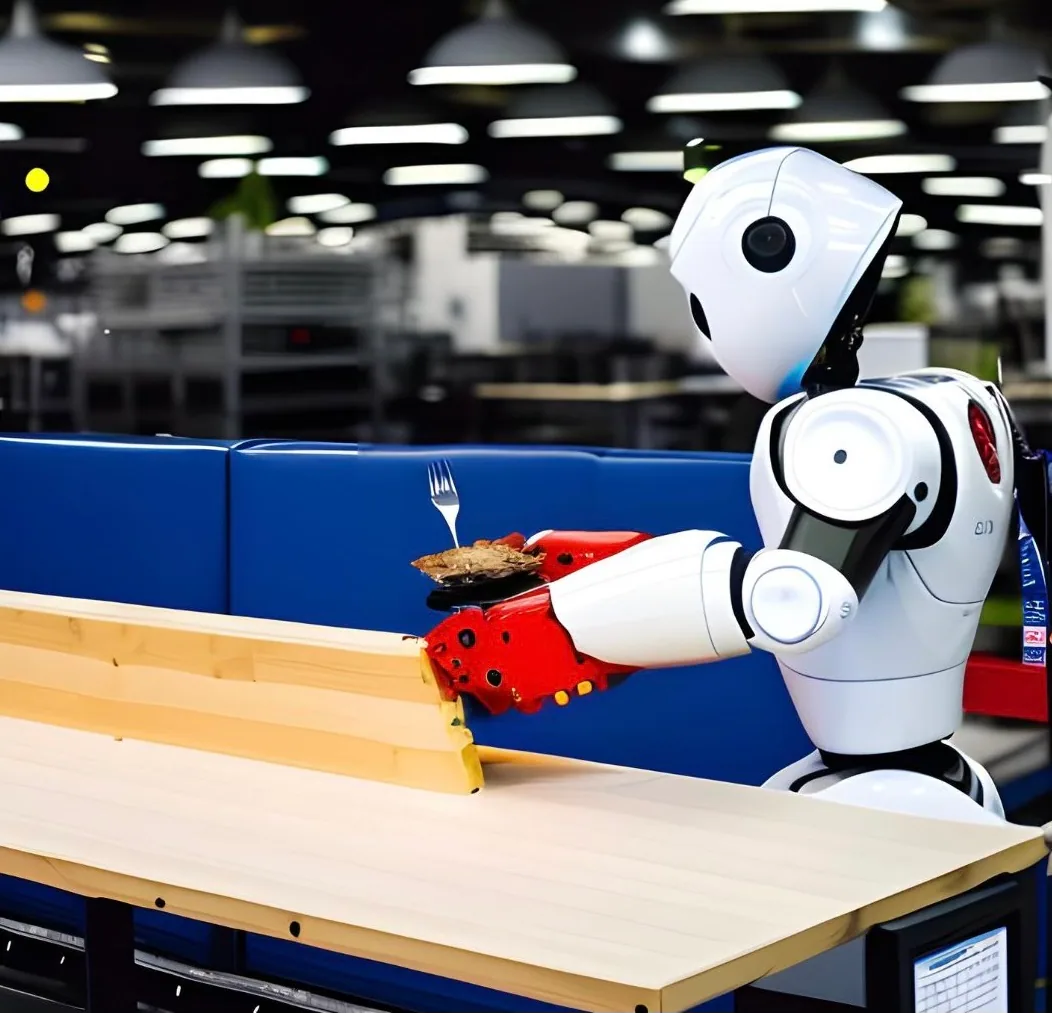
The manufacturing industry has undergone significant changes over the past few decades, with the introduction of new technologies and processes that have helped to improve efficiency, reduce costs, and increase productivity. However, the integration of robots and artificial intelligence AI into manufacturing promises to take these improvements to a whole new level, ushering in a new era of manufacturing that is faster, more efficient, and more cost-effective than ever before.
One of the key benefits of robots and AI in manufacturing is their ability to perform repetitive and complex tasks with a high degree of accuracy and precision. This can help to improve product quality and consistency, while also reducing the risk of errors and defects. Robots can also work faster and more tirelessly than humans, making them well-suited for tasks that require speed and endurance.
Moreover, robots can perform tasks that are dangerous or unpleasant for human workers, such as working in extreme temperatures or in hazardous environments. This not only helps to improve worker safety, but it can also lead to cost savings by reducing the need for specialized equipment and protective gear.
In addition to robots, AI is also playing an increasingly important role in manufacturing. By analyzing data from sensors and other sources, AI can help manufacturers optimize their processes and identify opportunities for improvement. For example, AI can be used to analyze data on equipment performance to detect potential problems before they occur, allowing manufacturers to schedule maintenance proactively and avoid costly downtime.
AI can also help manufacturers optimize their supply chains by analyzing data on inventory levels, production schedules, and shipping times. This can help to reduce lead times and improve delivery reliability, leading to cost savings and increased customer satisfaction.
Of course, the integration of robots and AI into manufacturing is not without its challenges. One of the key challenges is the need to ensure that these technologies are integrated seamlessly with existing manufacturing processes and systems. This requires careful planning and implementation, as well as ongoing monitoring and adjustment as needed.
Another challenge is the need to ensure that workers are properly trained to work alongside robots and AI systems. This requires not only technical training, but also a focus on soft skills such as collaboration, communication, and problem-solving. Workers must be able to work effectively with robots and AI systems, and be able to adapt to changing roles and responsibilities as new technologies are introduced.
Despite these challenges, the integration of robots and AI into manufacturing is already showing significant benefits. Manufacturers that have embraced these technologies are seeing improvements in productivity, quality, and cost-effectiveness, as well as increased agility and flexibility in responding to changing market demands. By continuing to innovate and embrace new technologies, manufacturers can position themselves for success in this new era of manufacturing.