
Restaurant Booth Reupholstery vs. Replacement
Compare the frame, comfort, layout and complete project scope before choosing your next step.
A torn cover does not necessarily mean a booth needs replacing. A clean-looking cover does not prove the frame is sound, either. Start by separating the condition of the upholstery from the condition of the furniture underneath it.
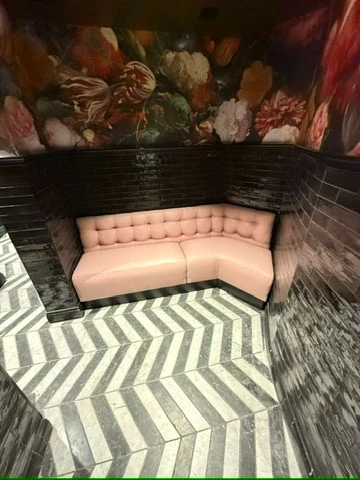
Restaurant seating photograph from the US Booths gallery.
When reupholstery deserves a closer look
Reupholstery is worth assessing when the existing shape fits the dining room and the frame can support the intended work. Share photos of the seats, backs, bases and exposed underside. Identify loose joints, uneven seats, failed seams or areas affected by moisture.
A replacement cover, new foam and structural repairs are different tasks. Ask the estimate to identify which are included. Covering a seat without addressing damaged padding or an unstable frame leaves the underlying problem in place.
When replacement may fit the project better
Compare replacement when the room needs a different layout, dimensions or seating configuration. It also deserves consideration when the existing structure requires extensive rebuilding. An inspection is needed to establish the actual repair scope; a photograph alone cannot reveal every concealed defect.
If you are changing the floor plan, measure the room and its fixed obstacles before selecting furniture. Review access, table placement and the dimensions of the proposed booth. Our measuring guide helps organize the information to share with the project team.
Compare the same scope on both estimates
| Decision | Reupholstery estimate | Replacement estimate |
|---|---|---|
| Structure | Condition assessment and specified repairs | New frame construction and dimensions |
| Comfort | Foam and support retained or replaced | Padding and seating configuration |
| Upholstery | Manufacturer, pattern, color and yardage | Specified material and finish |
| Logistics | Removal, transport, installation and disposal responsibilities | Delivery, placement, installation and removal responsibilities |
| Operations | Pieces released per phase and confirmed return schedule | Site readiness and confirmed arrival schedule |
Compare the complete totals rather than a covering charge against the price of a new booth alone. Custom dimensions, fabric requirements, frame work and access can change the result. There is no universal savings percentage that determines the right choice for every restaurant.
Choose materials around cleaning and use
Provide the upholstery manufacturer's reference and your cleaning practices. Confirm performance specifications and approved care instructions for the actual material. Review physical samples under your restaurant's lighting: a screen cannot establish the final color or feel.
If you supply the fabric, confirm suitability and required quantity before purchasing or shipping it. Pattern repeats and the direction of the fabric can affect the amount needed. Explore the materials catalog for product references, then confirm the project's requirements.
Prepare a useful comparison request
Send the quantity of each booth style, approximate dimensions, photos of visible damage, the restaurant ZIP code and your target date. Note whether the current layout will stay and what access is available for removal or delivery. Include any original drawings or material references you still have.
Ask the team to explain the proposed repairs, padding, upholstery and logistics in the written scope. Confirm the schedule before planning a closure or reopening; overnight work and uninterrupted service should not be assumed.
For an existing seating assessment, explore booth and banquette upholstery. To compare replacement designs, browse restaurant seating. Ready to discuss both options? Send your photos and project details.